The TLPS 2025 is India’s first large-scale, multi-state study that examines how teaching and learning take place inside early-grade classrooms. It goes beyond assessments to understand how teaching and learning of language and mathematics unfold in Grades 1 and 2, how teachers engage students, and how inclusive our classrooms are
What is the Teaching Learning Practices Survey (TLPS) 2025?

Shafali Chadha
Language and Learning Foundation
The TLPS 2025 is India’s first large-scale, multi-state study that examines how teaching and learning take place inside early-grade classrooms. It goes beyond assessments to understand how teaching and learning of language and mathematics unfold in Grades 1 and 2, how teachers engage students, and how inclusive our classrooms are.
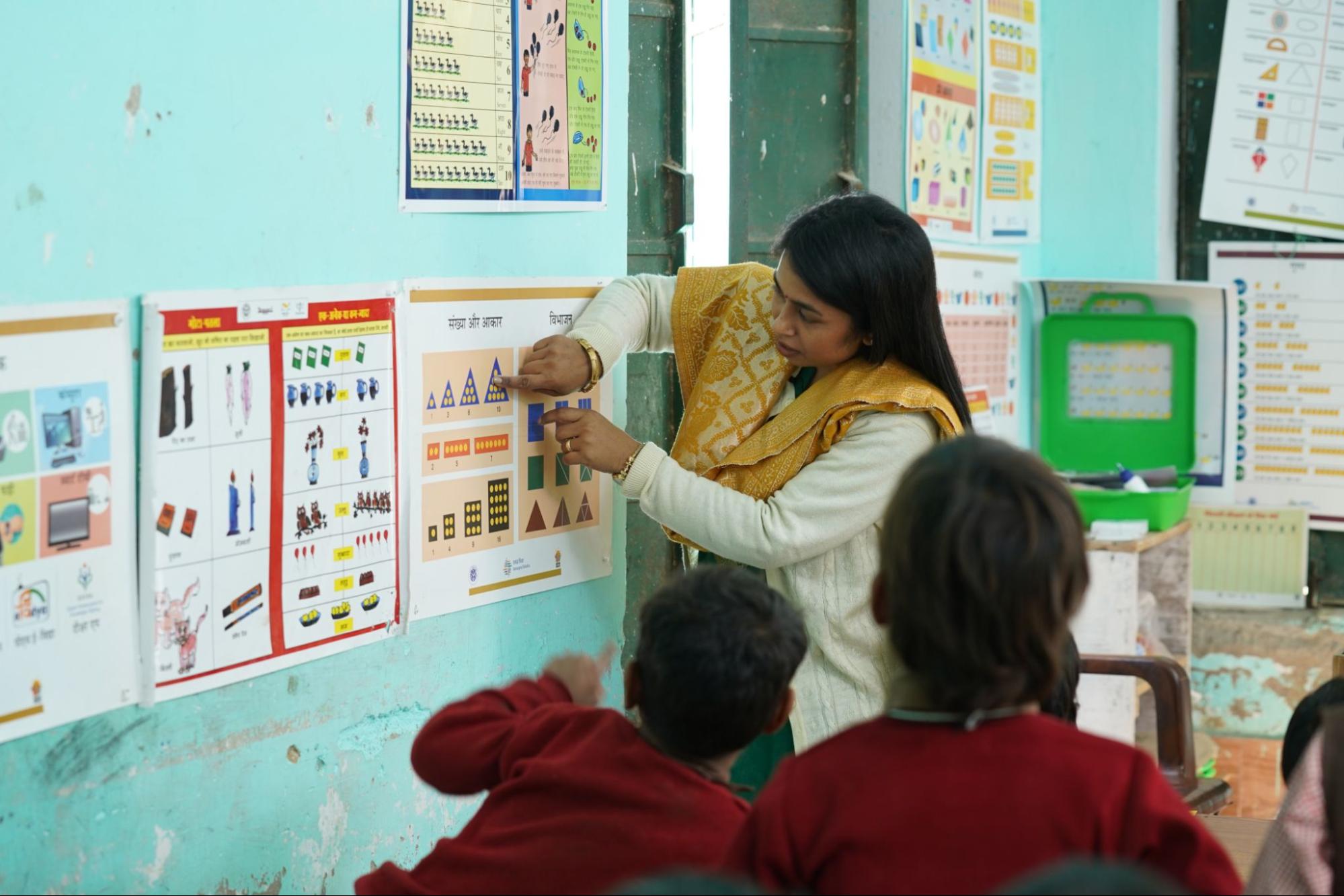
Anchored by LLF, supported by Tata Trusts, the survey was implemented in collaboration with leading FLN organisations, including Centre for microFinance, Educational Initiatives, Madhi Foundation, QUEST, and Vikramshila Education Resource Society, across 1,050 government primary classrooms in 21 districts spanning 9 Indian states: Assam, Chhattisgarh, Haryana, Jharkhand, Maharashtra, Meghalaya, Rajasthan, Tamil Nadu, and Uttar Pradesh.
Why TLPS?
While recent learning assessments (ASER, 2024; PARAKH, 2024) indicate significant learning gains in government schools, we are still far from the goal of ALL children achieving mastery in FLN. Learning outcomes can improve in a sustained manner only when teaching and learning practices for language and mathematics in early grades improve significantly. Recognising the need for a large-scale survey in the country that documents how teaching and learning are taking place in early-grade classrooms, the TLPS was conceptualised to provide systematic, nationally representative evidence on classroom practices in Grades 1 and 2 for language and mathematics.
It plays a dual role: diagnostic, by providing a detailed, evidence-based picture of what is happening inside classrooms today; and developmental, by enabling governments and partners to shape teachers’ professional development, mentoring structures, and instructional materials in ways that directly respond to observed classroom needs.
TLPS Critical Findings:
1. In two-thirds of the classrooms, children were mostly quiet and had few opportunities to speak freely, engage in conversation with the teacher, or learn from one another.
2. Although 73% teachers knew the children’s home languages, only 9% used them consistently to enhance children’s participation and comprehension.
3. Only 30% of teachers used differentiated teaching strategies to support children at different learning levels.
4. The use of children’s real-life experiences and open-ended questions to encourage children to think and express themselves during oral language activities was limited.
5. In 53% of classrooms, children did not use TLMs at all.
6. While 52% teachers reported receiving academic support, the remaining 48% reported irregular visits, inadequate or no support.
Recommendations
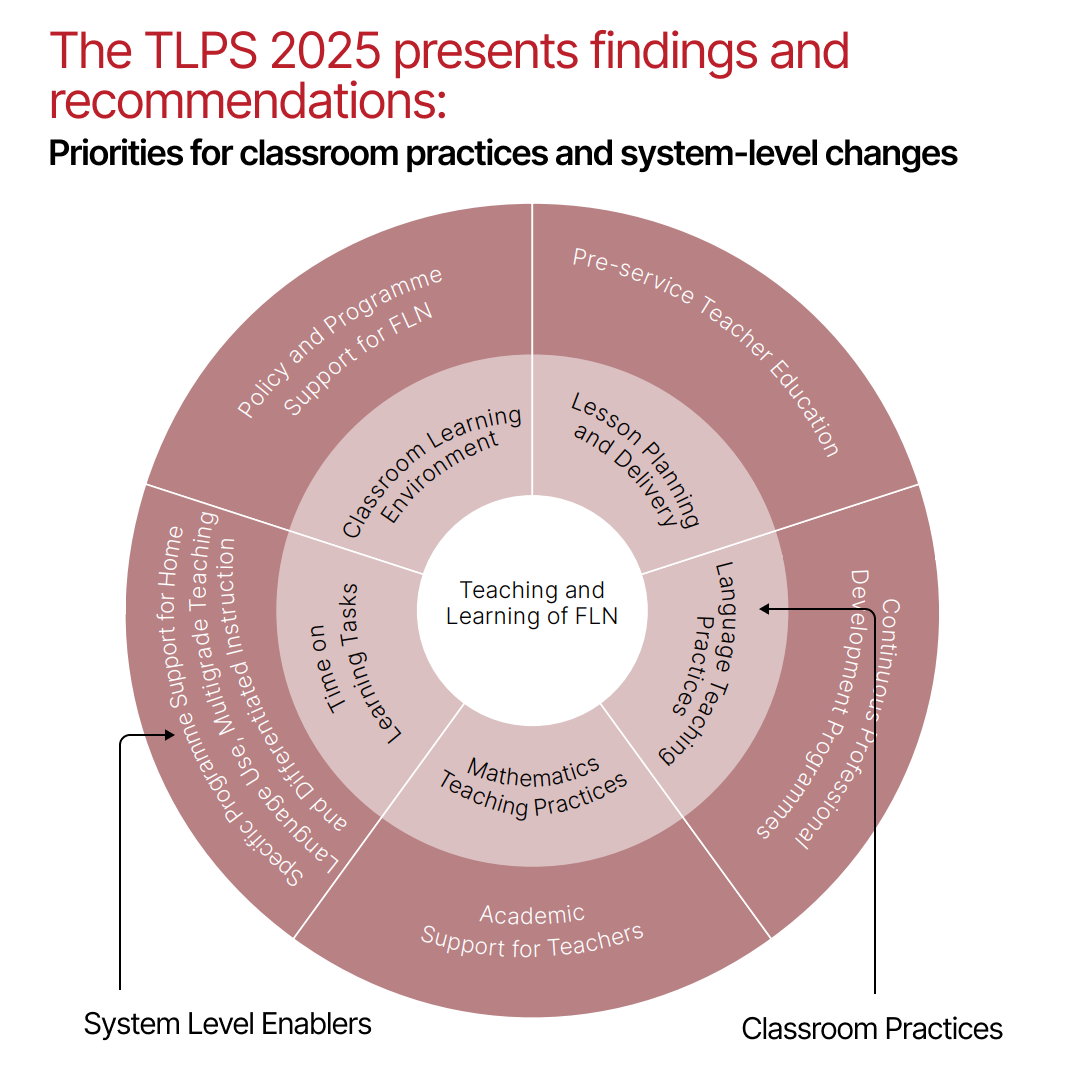
TLPS recommends that teachers need to create a better balance between teacher-centred instruction and learner-centred practices to enhance children’s engagement with learning. There is also a need to plan and manage independent and group tasks more deliberately, particularly in multigrade contexts where their attention is divided.
To support all learners, teachers need to use targeted strategies such as flexible grouping, guided practice in level-based groups, and scaffolded tasks during regular lessons. It is essential to provide extra attention and support to children who are struggling to learn after proper identification.
It is imperative for teachers to use TLMs more consistently and in learner-centred ways. This will ensure that children have regular opportunities to explore concepts hands-on and build conceptual understanding, rather than only observing demonstrations
For system-level changes that can enable and sustain effective teaching practices, TLPS recommends integrating FLN focus within pre-service teacher education programmes and calls for a coherent and practice-focused system of continuous teacher professional development. The report also highlights the importance of addressing home language use, multigrade teaching, and differentiated instruction in a systematic manner
Read the summary and full report here