For young children entering school for the first time, the classroom should ideally feel like a extension of their home—a safe space filled with familiar sounds, stories, and expressions. However, for thousands of primary school students in the forest-clad region of Jashpur district, Chhattisgarh, entering school used to mean stepping into a wall of silence
From Classroom Silence to Active Dialogue: Transforming Teacher Training in Jashpur

Sanjay Gulati
Sr. Specialist, MLE, Chhattisgarh
5th Nov 2026
For young children entering school for the first time, the classroom should ideally feel like a extension of their home—a safe space filled with familiar sounds, stories, and expressions. However, for thousands of primary school students in the forest-clad region of Jashpur district, Chhattisgarh, entering school used to mean stepping into a wall of silence.
At home, children speak local mother tongues like Sadri and Kudukh. But when they arrived at school, instruction was delivered entirely in standard Hindi. Unable to understand the language of their textbooks or teachers, young learners often withdrew into quiet hesitation, unable to answer questions or express their curiosity. Teachers, too, struggled to bridge this communication gap.
To address this challenge, Language and Learning Foundation (LLF), in partnership with SCERT Chhattisgarh and District Institute of Education and Training (DIET) Jashpur, initiated a targeted teacher capacity-building initiative focused on Multilingual Education (MLE) and Foundational Literacy and Numeracy (FLN). The capacity building plan is a part of the ongoing NEEV Multilingual Education Program being implemented in the identified 202 schools of Bagicha and Kunkuri blocks of the district.
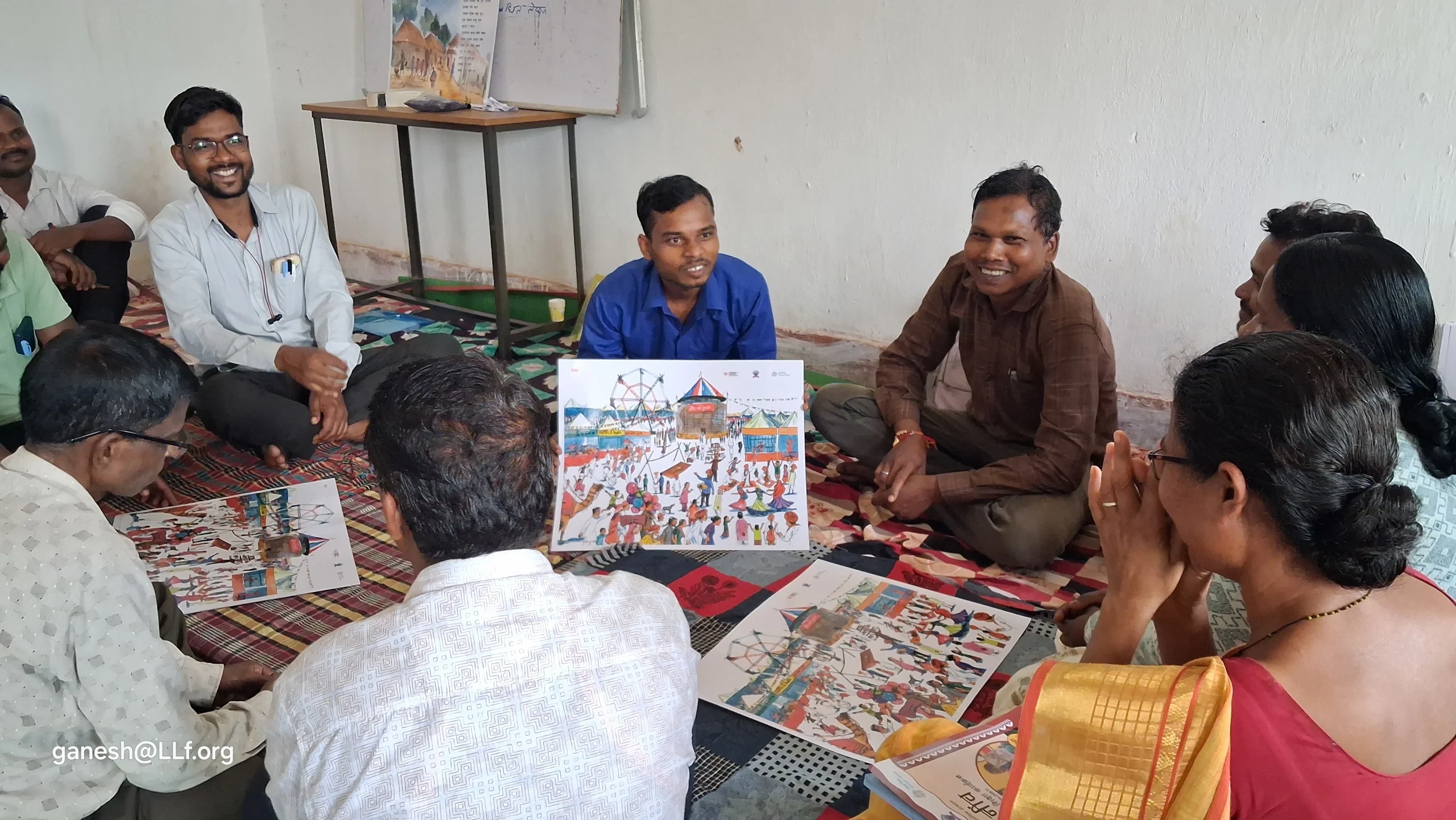
Teachers in Bagicha, Jashpur collaborate during a multilingual education teacher training workshop. (Credit: LLF Field Team)
Bridging Languages in Bagicha and Kunkuri
The primary goal of the teacher training program in blocks like Bagicha and Kunkuri is simple yet profound: ensure no child is silenced by a language barrier.
During training sessions, teachers participate in hands-on workshops designed to shift classroom dynamics from passive listening to active dialogue. Rather than treating local mother tongues as a barrier, the training equips teachers to use children’s home languages as a bridge toward mastering standard Hindi and foundational skills.
Key aspects of the training include:
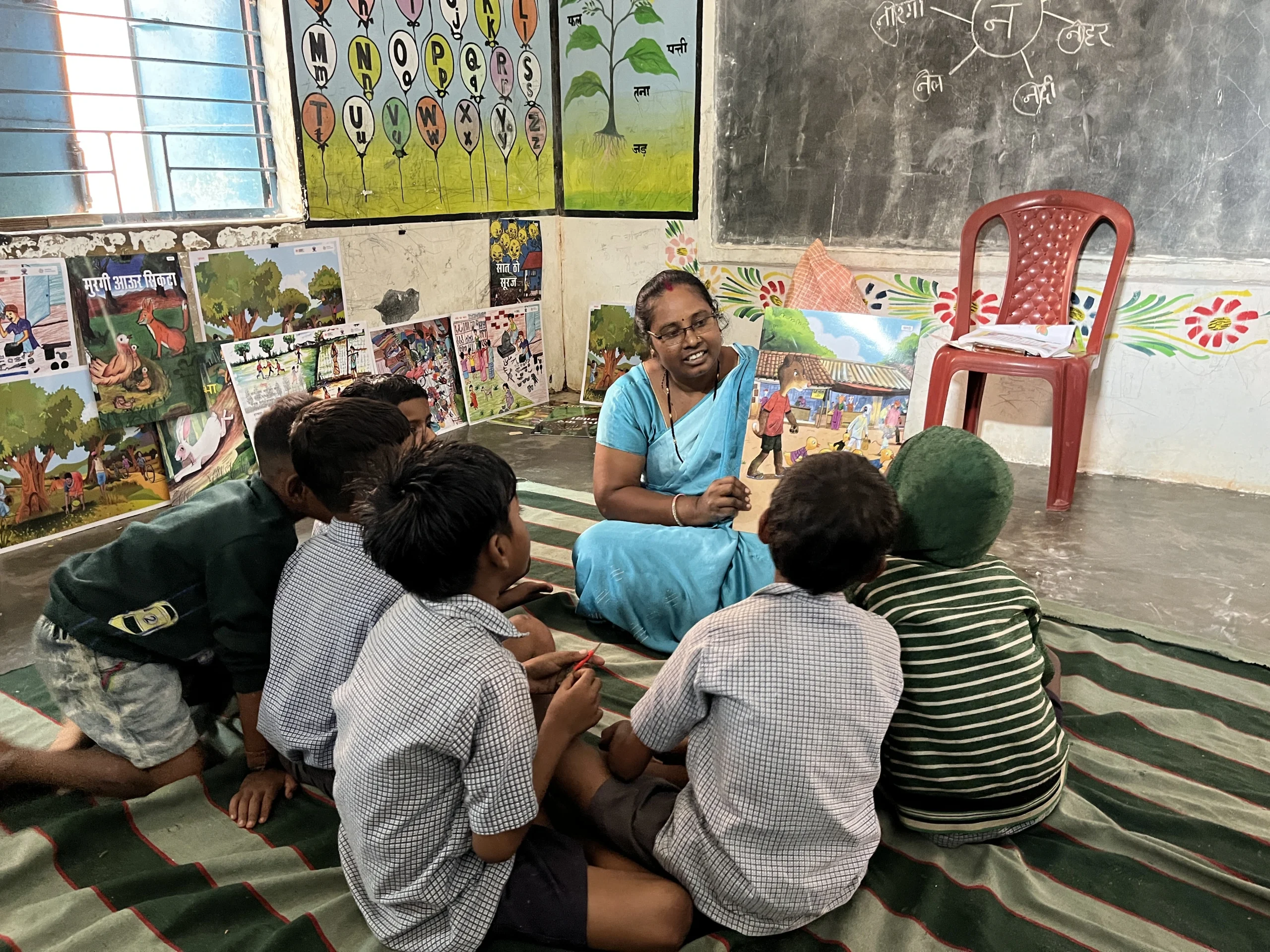
- Bilingual Learning Materials: Teachers are introduced to specially curated bilingual storybooks, picture cards, and posters that feature Sadri alongside Hindi.
- Gradual Language Transition (GRR): Educators learn structured techniques to start lessons in the child’s home language to build conceptual clarity, gradually introducing Hindi vocabulary as confidence grows.
- Culturally Contextualized Stories: Learning activities are grounded in local folklore, festivals, and daily experiences familiar to children in tribal communities.
“Earlier, when I asked a question in Hindi, only one or two children would raise their hands. Most would look down silently. After adopting Sadri stories and bilingual tools, the entire classroom environment changed. Now, children eagerly participate, ask questions, and share their own thoughts.”
— A primary school teacher from Bagicha block
What We Are Learning: Real Impact in the Classroom
When teachers adopt a multilingual approach, the impact goes beyond language acquisition—it changes the social emotional landscape of the classroom.
Data and field observations from schools across Jashpur highlight clear signs of progress:
- Higher Classroom Engagement: Daily participation have increased significantly. Children feel safe and valued when their mother tongue is recognized in school.
- Faster Conceptual Understanding: When complex concepts—such as early counting or story comprehension—are introduced in a familiar tongue, children grasp foundational literacy and numeracy skills much faster.
- Teacher Empowerment: Teachers no longer feel helpless when faced with linguistic diversity. Instead, they view language as an asset for active learning.
Why Multilingual Foundational Learning Matters
National initiatives like NEP 2020 and the NIPUN Bharat Mission strongly emphasize that foundational education must occur in the child’s home language. In culturally diverse states like Chhattisgarh, multilingual education is not merely
When a child is allowed to speak, think, and learn in their own language during their earliest school years, they build a strong cognitive foundation. This confidence stays with them as they transition to higher grades and broader subjects.
Through continuous teacher training, peer learning circles, and ongoing mentoring on the ground, LLF and the district education department are laying down a sustainable path for thousands of young learners across Jashpur.
कक्षा की खामोशी से संवाद तक: जशपुर में शिक्षक प्रशिक्षण से आ रहा बदलाव
Sanjay Gulati
Sr. Specialist, MLE, Chhattisgarh
5th Nov 2026
जब बच्चे पहली बार स्कूल में कदम रखते हैं, तो उनकी कक्षा घर जैसी ही लगनी चाहिए—एक सुरक्षित जगह जहाँ जानी-पहचानी आवाज़ें, कहानियाँ और बातें हों। लेकिन छत्तीसगढ़ के जशपुर जिले के आदिवासी और वनांचल क्षेत्रों में हजारों प्राथमिक बच्चों के लिए स्कूल आना किसी दीवार से टकराने जैसा था, जहाँ चारों तरफ सिर्फ खामोशी होती थी।
घर पर बच्चे सादरी और कुड़ुख जैसी स्थानीय बोलियाँ बोलते हैं। लेकिन जब वे स्कूल पहुँचते थे, तो पढ़ाई पूरी तरह से हिंदी में होती थी। अपनी पाठ्यपुस्तकों और शिक्षकों की भाषा न समझ पाने के कारण, ये छोटे बच्चे चुपचाप सिमट जाते थे। न तो वे सवाल पूछ पाते थे और न ही अपनी जिज्ञासा जता पाते थे। दूसरी ओर, शिक्षक भी इस भाषा के अंतर को मिटाने में संघर्ष कर रहे थे।
इस चुनौती से निपटने के लिए लैंग्वेज एंड लर्निंग Foundation (LLF) ने एस.सी.ई.आर.टी. छत्तीसगढ़ व जिला शिक्षा एवं प्रशिक्षण संस्थान (DIET) जशपुर के साथ मिलकर एक विशेष शिक्षक क्षमता-वर्धन पहल की शुरुआत की। इसका मुख्य उद्देश्य बहुभाषी शिक्षण (Multilingual Education) और बुनियादी साक्षरता एवं संख्या ज्ञान (FLN) को बढ़ावा देना था। यह क्षमता- वर्धन कार्यक्रम जिले के बगीचा और कुनकुरी विकासखंड में चल रहे नींव बहुभाषी शिक्षा कार्यक्रम का हिस्सा है।
Teachers in Bagicha, Jashpur collaborate during a multilingual education teacher training workshop. (Credit: LLF Field Team)
बगीचा और कुनकुरी में भाषाओं का पुल
बगीचा और कुनकुरी विकासखंड में चलाए जा रहे शिक्षक प्रशिक्षण कार्यक्रम का लक्ष्य बहुत स्पष्ट है: भाषा की रुकावट के कारण कोई भी बच्चा कक्षा में चुप न रहे।
प्रशिक्षण सत्रों के दौरान, शिक्षक ऐसे व्यावहारिक अभ्यासों में भाग लेते हैं जो कक्षा के माहौल को बदलने में मदद करते हैं। यहाँ बच्चों की मातृभाषा को रुकावट मानने के बजाय, उसे हिंदी और बुनियादी कौशल सीखने के माध्यम के रूप में इस्तेमाल करना सिखाया जाता है।
इस प्रशिक्षण की मुख्य बातें:
- द्विभाषी शिक्षण सामग्री: शिक्षकों को विशेष रूप से तैयार की गई द्विभाषी कहानी की किताबों, चित्र कार्डों और पोस्टरों से परिचित कराया जाता है, जिनमें हिंदी के साथ-साथ सादरी भाषा का भी उपयोग होता है।
- क्रमिक भाषा बदलाव (GRR): शिक्षक ऐसी तकनीकें सीखते हैं, जिनसे पाठ की शुरुआत बच्चे की घर की भाषा में की जाती है ताकि अवधारणा स्पष्ट हो सके। फिर जैसे-जैसे बच्चे का आत्मविश्वास बढ़ता है, धीरे-धीरे हिंदी के शब्द शामिल किए जाते हैं।
- स्थानीय संस्कृति पर आधारित कहानियाँ: सीखने-सिखाने की गतिविधियाँ स्थानीय लोककथाओं, त्योहारों और बच्चों के दैनिक अनुभवों से जुड़ी होती हैं।
“पहले जब मैं हिंदी में कोई सवाल पूछता था, तो केवल एक या दो बच्चे ही हाथ उठाते थे। बाकी बच्चे चुपचाप नीचे देखने लगते थे। लेकिन जब से हमने सादरी कहानियों और द्विभाषी सामग्रियों का उपयोग शुरू किया है, कक्षा का पूरा माहौल बदल गया है। अब बच्चे उत्साह से भाग लेते हैं, सवाल पूछते हैं और अपने अनुभव साझा करते हैं।”
— बगीचा ब्लॉक के एक प्राथमिक शिक्षक
हम क्या सीख रहे हैं: कक्षाओं में दिखता असर
जब शिक्षक बहुभाषी नजरिया अपनाते हैं, तो इसका असर केवल भाषा सीखने तक सीमित नहीं रहता—यह कक्षा के सामाजिक और भावनात्मक माहौल को भी बदल देता है।
जशपुर के स्कूलों से मिले अनुभव और जमीनी आंकड़े कुछ महत्वपूर्ण बदलावों की ओर इशारा करते हैं:
- कक्षा में अधिक भागीदारी: बच्चों की दैनिक गतिविधियों में हिस्सा लेने की रुचि काफी बढ़ी है। जब स्कूल में बच्चों की मातृभाषा को सम्मान मिलता है, तो वे खुद को सुरक्षित और जुड़ा हुआ महसूस करते हैं।
- तेजी से समझ का विकास: जब शुरुआती गिनती या कहानी समझने जैसी बुनियादी बातें बच्चे की अपनी भाषा में सिखाई जाती हैं, तो वे भाषा और गणित के बुनियादी कौशलों को बहुत तेजी से सीख लेते हैं।
- शिक्षकों का सशक्तिकरण: विविध भाषाओं वाले बच्चों को पढ़ाते समय
शिक्षक अब खुद को असहाय महसूस नहीं करते। इसके बजाय, वे भाषा को
सीखने का एक सशक्त माध्यम मानते हैं।
बहुभाषी बुनियादी शिक्षा क्यों महत्वपूर्ण है?
राष्ट्रीय शिक्षा नीति (NEP 2020) और निपुण भारत मिशन (NIPUN Bharat) इस बात पर विशेष ज़ोर देते हैं कि शुरुआती शिक्षा बच्चे की मातृभाषा में ही होनी चाहिए। छत्तीसगढ़ जैसे सांस्कृतिक और भाषाई विविधता वाले राज्य में, बहुभाषी शिक्षा केवल पढ़ाने का एक तरीका भर नहीं है—यह हर बच्चे को शिक्षा का समान अवसर देने का माध्यम है।
जब बच्चे को अपने शुरुआती स्कूली वर्षों में अपनी भाषा में बोलने, सोचने और सीखने की छूट मिलती है, तो उनका बौद्धिक विकास मजबूत होता है। यही आत्मविश्वास आगे चलकर बड़ी कक्षाओं और अन्य विषयों को सीखने में भी उनकी मदद करता है।
सतत शिक्षक प्रशिक्षण, आपस में सीखने की बैठकों और जमीनी मार्गदर्शन के माध्यम से, LLF और जिला शिक्षा विभाग जशपुर के हजारों बच्चों के उज्ज्वल भविष्य की नींव रख रहे हैं।