India’s foundational education policy has, over the past five years, moved with unusual speed and coherence. The National Education Policy 2020 identified Foundational Literacy and Numeracy (FLN) as the country’s foremost educational priority. The National Curriculum Framework for the Foundational Stage (2022) translated that priority into curricular guidance.
Looking Inside Classrooms: Why Evidence Matters

Jyotsna
Education Design Team,
Tata Trusts
21st July 2026
India’s foundational education policy has, over the past five years, moved with unusual speed and coherence. The National Education Policy 2020 identified Foundational Literacy and Numeracy (FLN) as the country’s foremost educational priority. The National Curriculum Framework for the Foundational Stage (2022) translated that priority into curricular guidance. The NIPUN Bharat Mission attached a national timeline and a set of measurable targets to it. States, in turn, have invested substantially in training, materials development, academic support systems, and — most conspicuously — assessment.
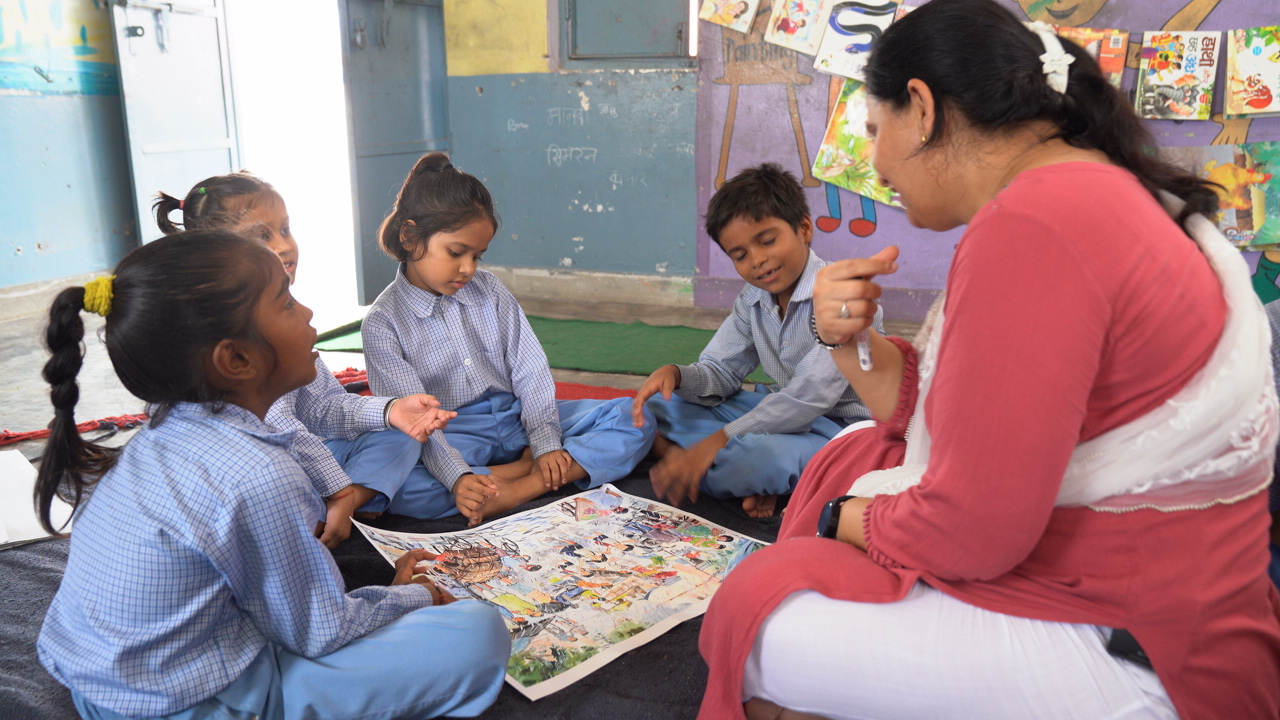
Yet national and state assessments continue to indicate that a significant proportion of children are not attaining foundational competencies by the expected grades. The challenge, therefore, is no longer one of policy intent or implementation effort alone, but of understanding what happens inside classrooms that enables—or constrains—learning.
This is where an important evidence gap emerges. The dominant approach to tracking FLN progress in India has been through large-scale assessments such as ASER and PARAKH, which measure whether children can read a given text or solve a given arithmetic problem at a particular grade level. Such evidence is indispensable, but it tells us only what children have learned—not how classroom experiences have shaped those outcomes. While several states have developed classroom observation tools for programme monitoring and teacher support, there has until recently been no systematic, comparable evidence on teaching-learning processes across early-grade classrooms in India.
The Teaching and Learning Practices Survey (TLPS) 2025 was conceived to fill this gap by documenting classroom processes at scale.
A rationale distinct from evaluation
The Tata Trusts supported the Survey as a diagnostic inquiry rather than a programme evaluation. It did not seek to rank states or assess implementing agencies. It was the first attempt of its kind: a systematic, classroom-level account of the interactional practices that constitute early-grade teaching. It examined whether children actively participated in classroom learning, whether teachers were able to gauge children’s understanding in real time, and whether classrooms created opportunities for children to think aloud, ask questions and articulate their reasoning—dimensions that cannot be captured through learning assessments alone.
Conducted between November 2024 and March 2025, TLPS observed 1,050 Grade 1 and 2 classrooms across 21 districts in nine states—Assam, Chhattisgarh, Haryana, Jharkhand, Maharashtra, Meghalaya, Rajasthan, Tamil Nadu and Uttar Pradesh. The sample was intentionally designed to reflect India’s geographic, linguistic and educational diversity, making it the most comprehensive study of early-grade classroom practice attempted in India to date.
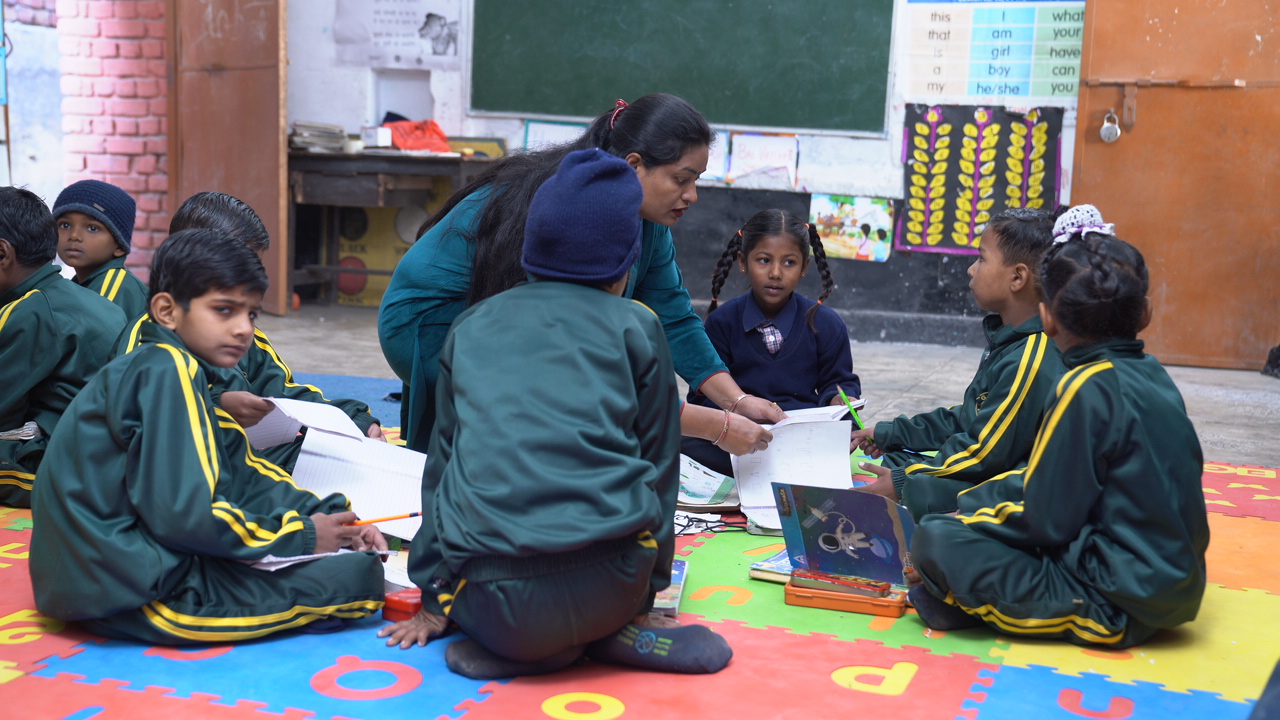
Consider the classroom environment. Print-rich materials were present in most classrooms, yet often displayed beyond children’s eye level, limiting their instructional value. In nearly three-quarters of classrooms, seating remained fixed in rows and columns throughout the observation period, foreclosing the interactional and collaborative arrangements early-grade pedagogy generally recommends. Similarly, while 73% of teachers reported knowing children’s home languages, only 9% used them with any consistency to support participation and comprehension — a finding worth pausing on, since home-language scaffolding is widely recognised as one of the more reliable levers for early reading comprehension.
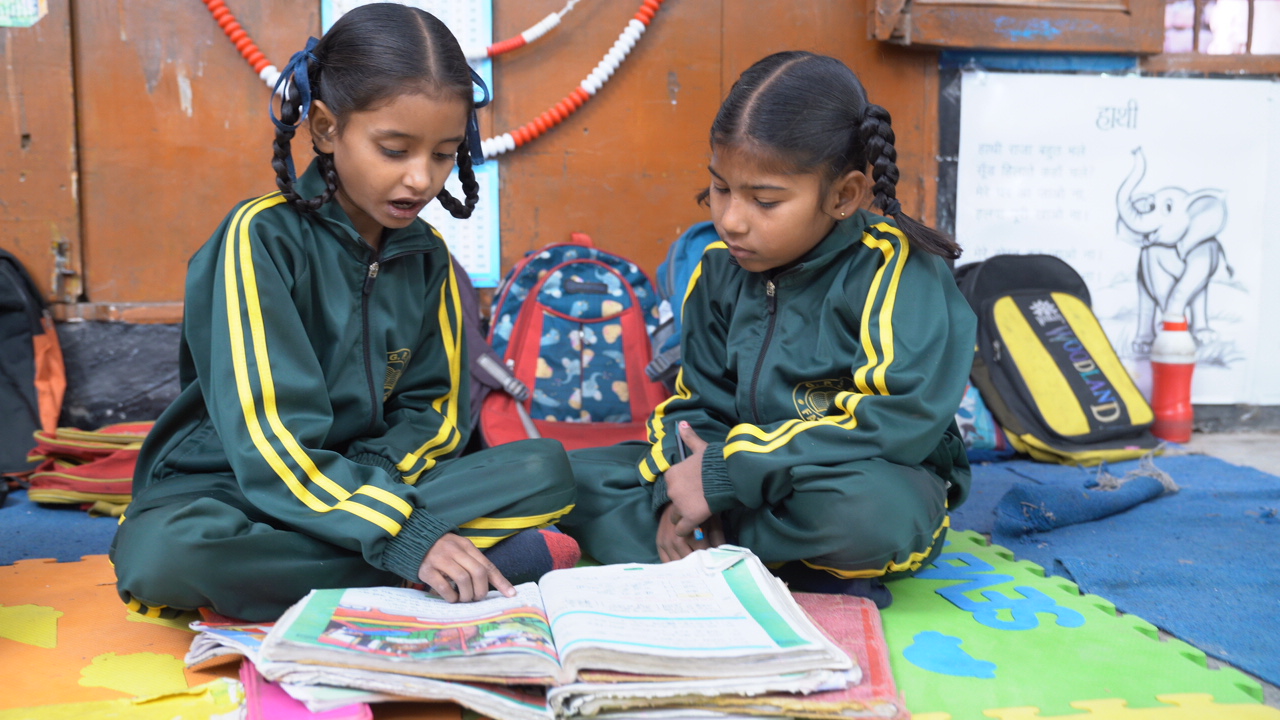
The pattern recurs across subject domains. In mathematics, teaching-learning materials were used effectively by only 28% of teachers, and in over half of classrooms children had no direct access to materials at all — concepts were demonstrated rather than manipulated. Questions that required genuine reasoning (“why” and “how” questions) were posed with reasonable effectiveness in only about one classroom in five. In language instruction, decoding was rarely taught through a coherent, structured method; and although just over half of teachers gave children time to read independently, only 10% offered feedback or correction while they did.
Time-on-task data compound the picture: children were off-task for 27% of total classroom time, and even within the remaining 73%, close to half the class period was spent listening to the teacher, watching another child, copying from the blackboard, or repeating in chorus — activities that keep children occupied without necessarily requiring them to think or respond.
It bears emphasis that these findings do not indicate a failure of teacher motivation or awareness. What the data indicate instead is a translation deficit — the distance between policy intent, training input, and materials provision on one hand, and moment-to-moment classroom practice on the other. This is a gap visible only through direct classroom observation, which is precisely what makes it actionable: it points to specific practices, not just an aggregate score, that professional development can target.
Teacher perspectives complete the picture
A distinctive feature of TLPS was the integration of structured teacher interviews with classroom observations, enabling reported experiences to be examined alongside observed practices.
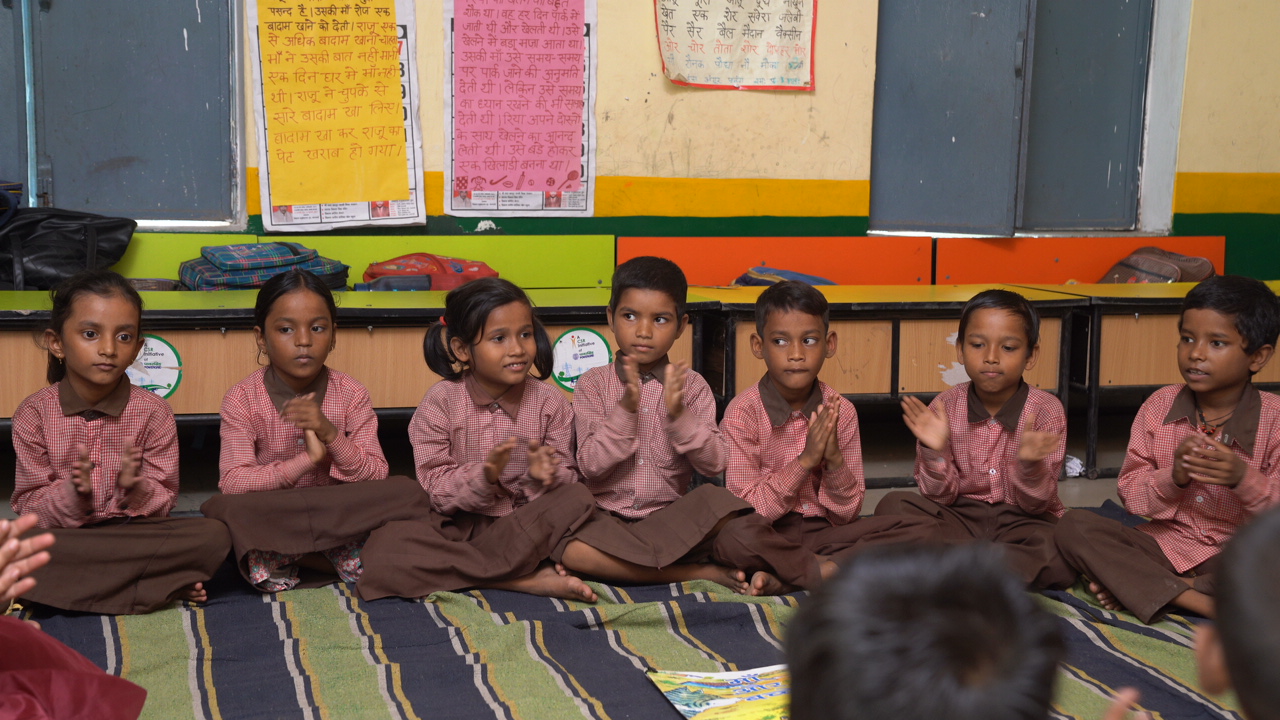
The findings present a nuanced picture. Nearly two-thirds of teachers could articulate grade-appropriate FLN learning outcomes without prompting, 83% had attended in-person FLN training within the preceding year, and most expressed confidence in the value of the NIPUN Bharat Mission and the training they had received. However, only about half reported receiving regular academic support after training, while roughly one in six reported receiving none. A similar pattern was evident in assessment practices: written assessments dominated, whereas oral assessment—particularly appropriate for early-grade learners—was reported by a small minority.
Together, these findings shift the question. It isn’t whether teachers are willing. It’s whether the system shows up for them once training ends. The Survey could only reach that conclusion by pairing classroom observation with teacher interviews — showing not just what happens in classrooms, but why.
A collaborative effort
TLPS was made possible through a partnership between The Tata Trusts, Language and Learning Foundation, five technical organisations and the governments of nine states. State governments enabled access to classrooms, research and practitioner organisations contributed methodological expertise, and The Tata Trusts provided the independent philanthropic support needed to generate evidence for the sector as a whole rather than for any single programme. The Survey itself is a working example of what partnership-based evidence generation can look like in the education sector
Looking ahead
As the NIPUN Bharat Mission approaches its target horizon of 2026–27, attention is beginning to shift from expanding access and implementation towards improving the quality of classroom practice and sustaining learning gains beyond the Foundational Stage. TLPS gives this shift an evidence base rather than an assumption. The academic-support gap teachers described points directly to mentoring and continuous professional development as priorities. Training gives teachers new ideas, but on its own it rarely changes what happens in the classroom the next day. The report itself points to why: training tends to be a one-time event, with little ongoing, hands-on coaching to help teachers actually put new practices to use.
TLPS does not replace outcome assessments such as ASER or PARAKH; it complements them by making visible the classroom processes through which learning outcomes are ultimately produced. As India enters the next phase of FLN reform, strengthening foundational learning will depend not only on measuring what children know, but also on understanding how teachers teach, how children participate, and how classrooms can better support learning every day.
About the Author:
Jyotsna is part of the Education Design team at Tata Trusts. She holds a master’s degree in Language, Ethnicity and Education from King’s College London and has over 20 years of experience spanning early learning, teacher education, foundational literacy and numeracy, and equitable education for marginalised youth. Before joining Tata Trusts, she worked in the areas of gender, early language and literacy, and taught in primary schools in India and abroad. Her interests lie in teacher development and strengthening classroom practice for first-generation learners.
* The photographs used in this article are for illustrative purposes only and were not taken in schools that participated in the Teaching and Learning Practices Survey (TLPS). © Language and Learning Foundation (LLF). All rights reserved.